




Barchi - Historic Centre
The "ideal city" of the Renaissance.
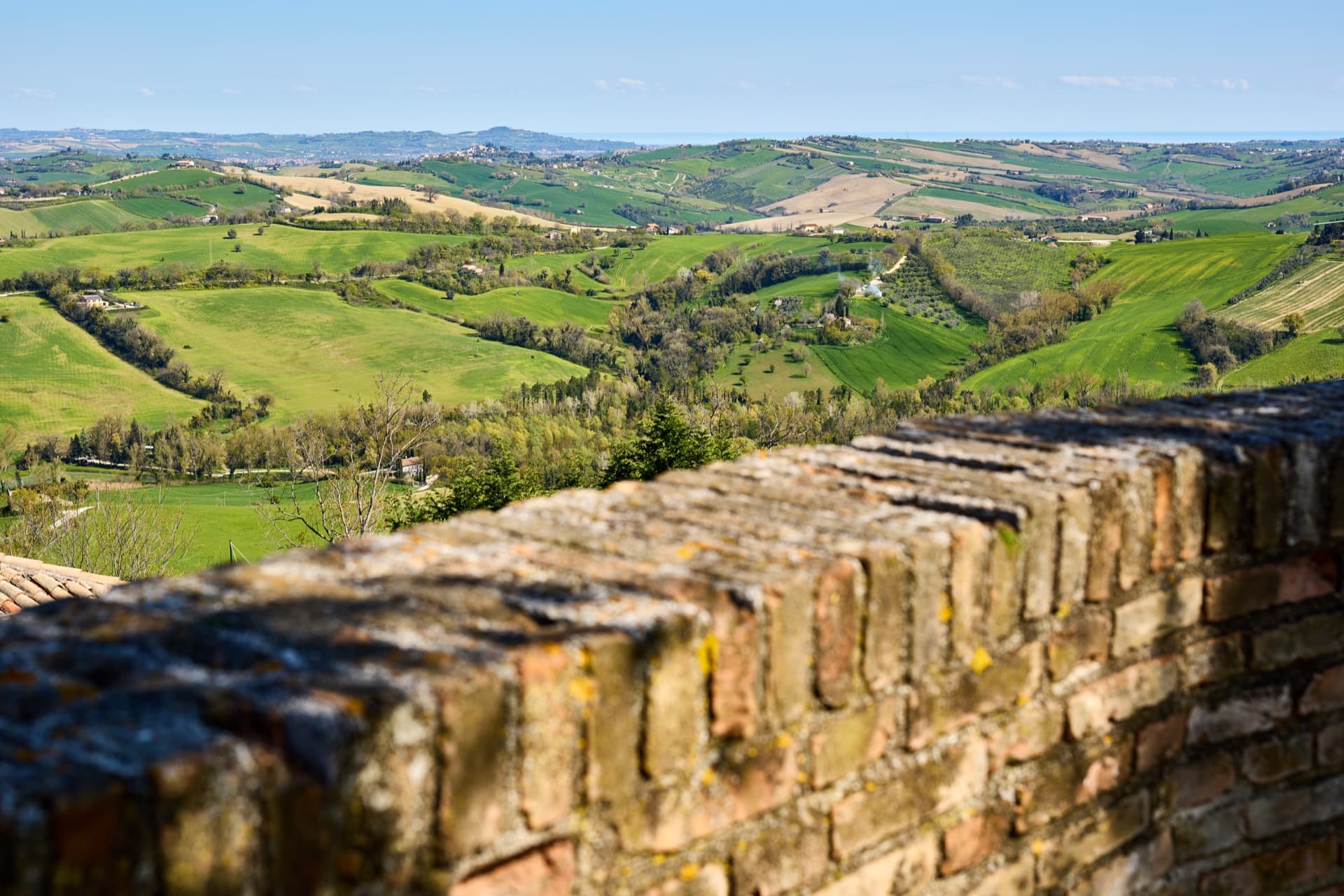
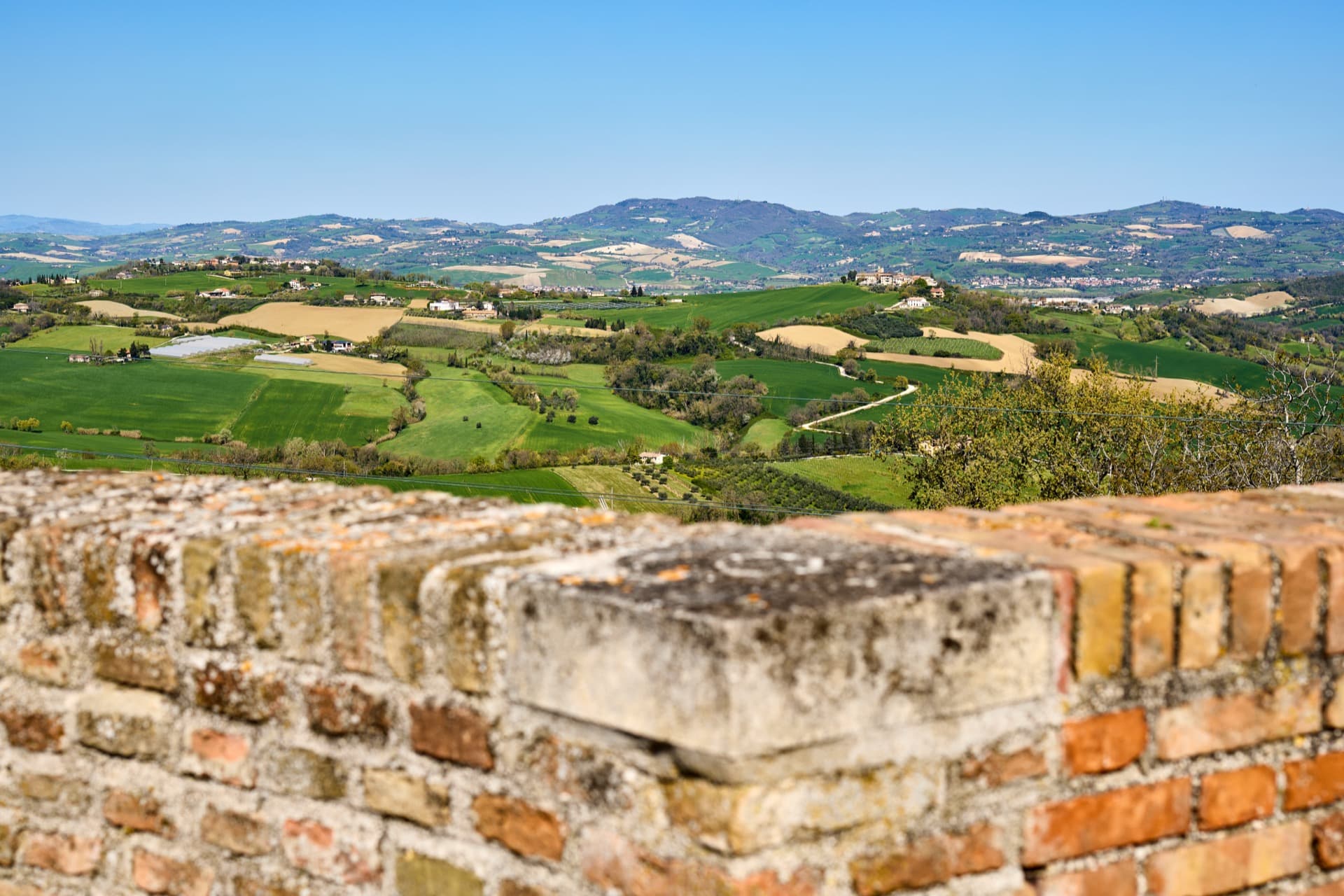
On 1 January 2017, the Terre Roveresche was born: the previous municipalities of Barchi, Orciano di Pesaro, Piagge and San Giorgio di Pesaro joined together, each preserving their own history and culture, but sharing resources and energies along with everything they have in common. The Terre Roveresche is a country where tradition survives and is valued as a fundamental heritage by those who live it. Whether it is the ancient crafts, those still handed down as well as those told in museums, that are the typical products of the territory, wines and dishes that richly adorn the table, this place lives in time and out of time. In the Roveresche Lands ancient castles rise from the top of the hills that draw the curvilinear profile of the panorama, hiding among the narrow streets small jewels of inestimable historical and artistic value, with incredible uniqueness.
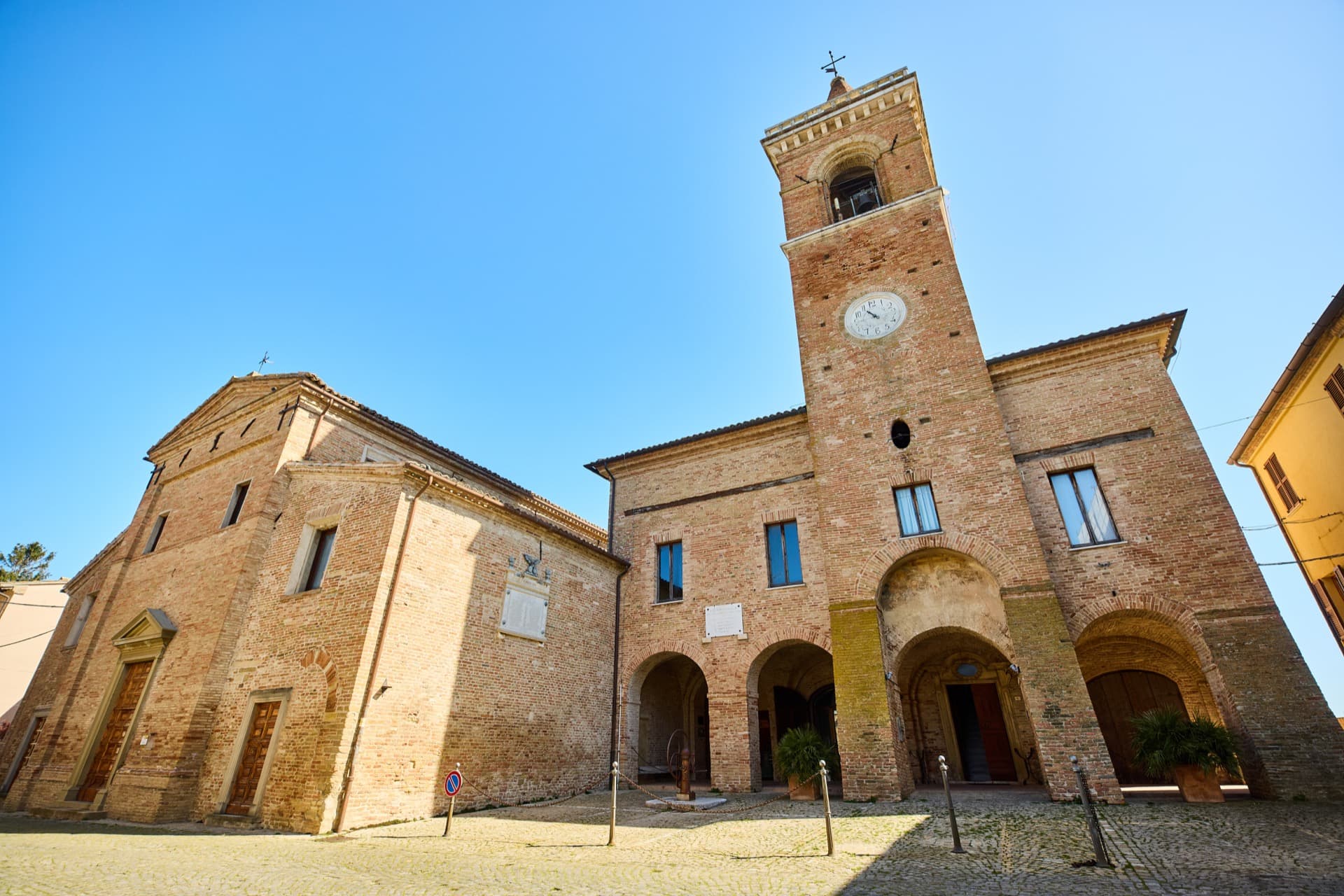
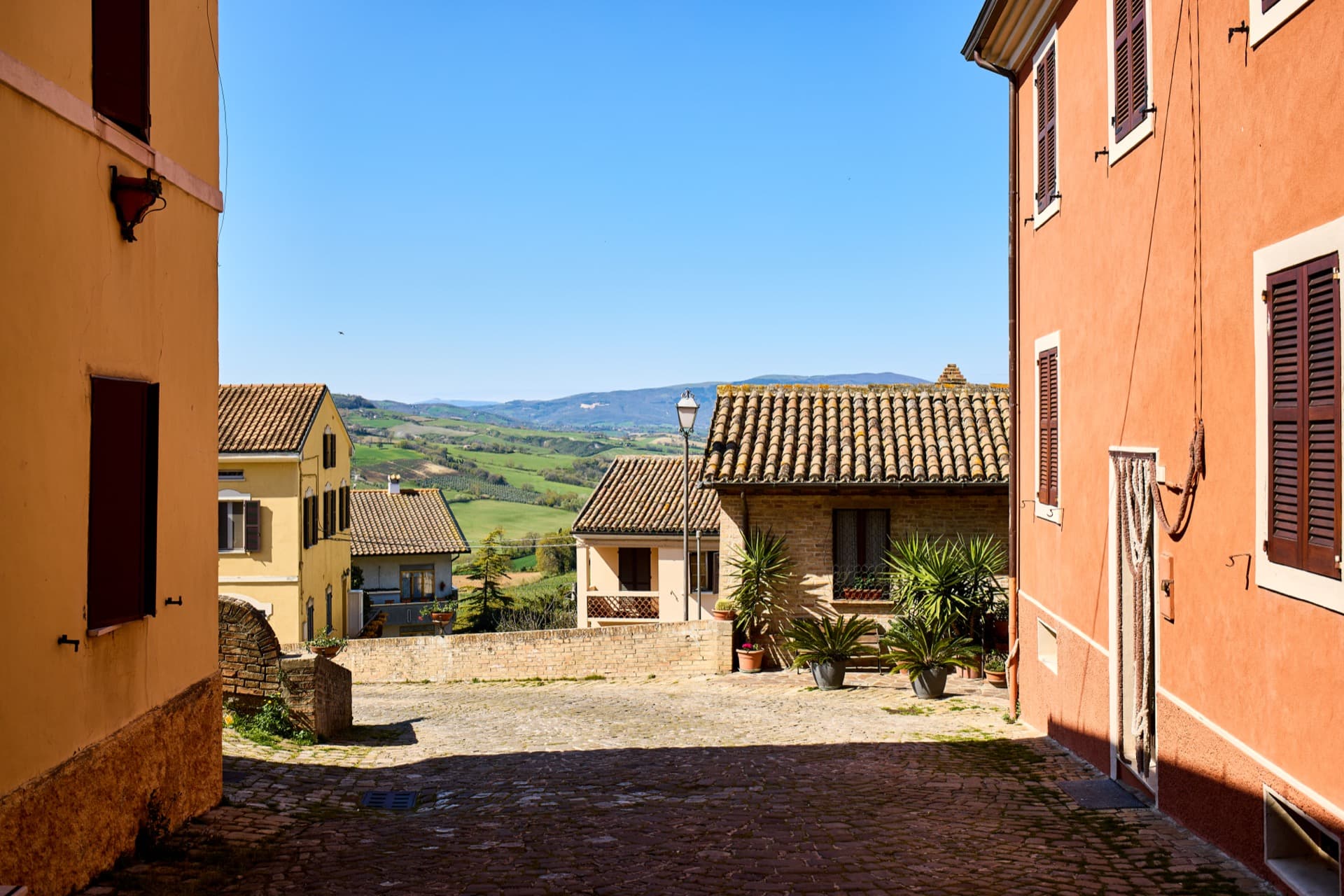
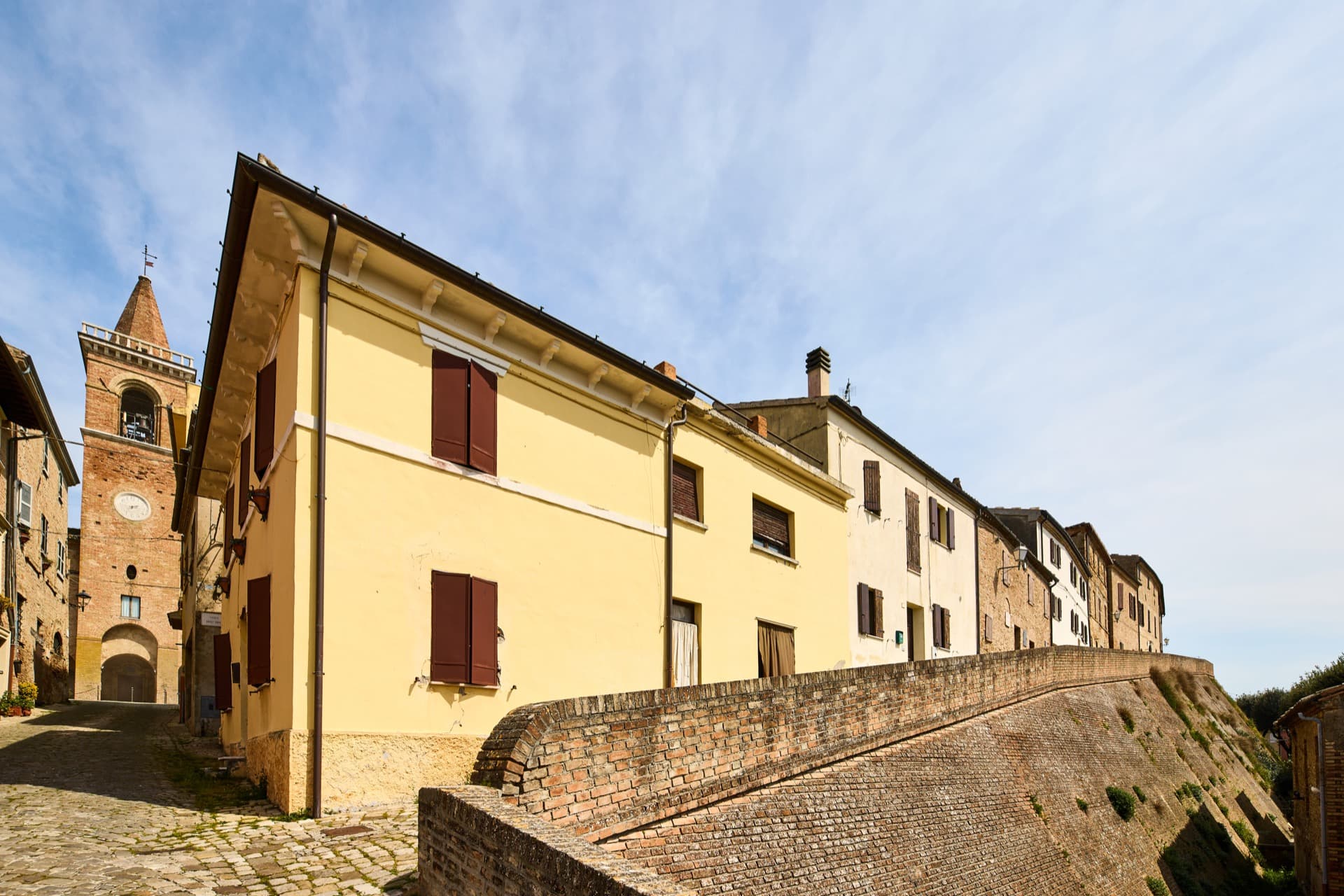
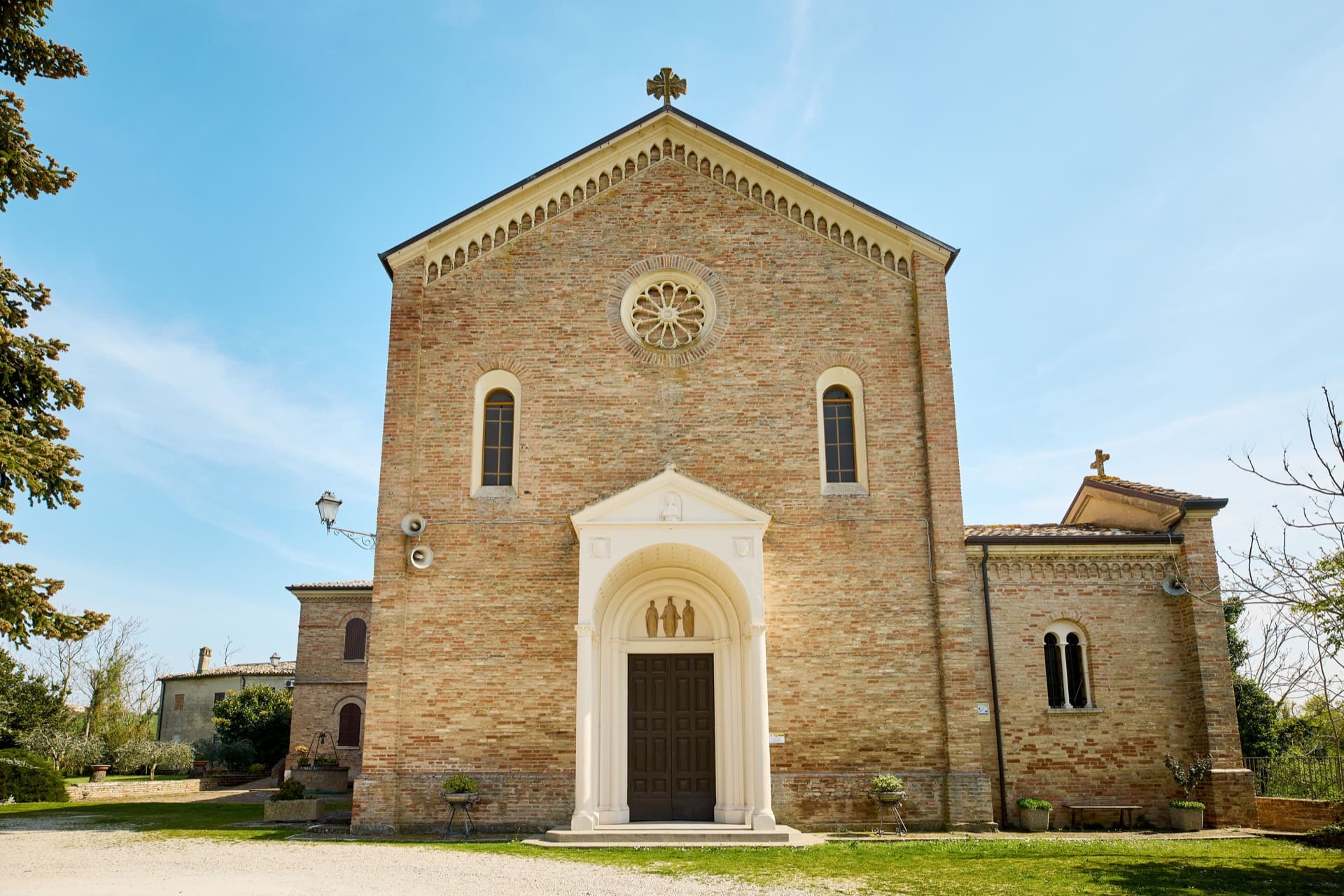
BARCHI, THE IDEAL SMALL TOWN The "divine proportion" of the Renaissance Along the way, almost unexpected, on top of a ridge you will find that architectural jewel that is Barchi. An uphill ramp leads to the Porta Nova, monumental and magnificent triumphal entrance to the castle, harbinger of the beauty that lies within the ancient walls. The structural plan of the Renaissance town bears the signature of the Bolognese Filippo Terzi, great architect of the Dukes of Urbino and then of the Royals of Spain and Portugal, who worked on the design of a small "Ideal City" of the Renaissance. Starting in 1571, at the behest of the Marquis of Barchi Pietro Bonarelli, Filippo Terzi redesigned the entire town as if it were a single work of art, enriching it with monuments, sumptuous palaces and effective military defense solutions. The tower ending in a cusp that dominates the entire valley was built in anthropomorphic forms, with surprising optical effects, respecting the concepts of "divine proportion" and the will of the new Lord to impose his authority also through the urban and architectural aspect. Barchi remains one of the very rare examples of an Ideal City that did not remain on paper or in the dreams of Renaissance artists, but became a reality. The elegant Corso cuts through the entire town with the square in the center, place of the market and fulcrum of the town, on which overlook the buildings representing the main powers of the time, the Town Hall with the tower, the Palace of the Dukes of Urbino and the Collegiate of Sant'Ubaldo. The church is of very ancient origins; the quality of the materials used and the works of art kept inside, make it a kind of magical temporal mirror, that reflects the image of Barchi of the past centuries and especially of the Renaissance when the town and the noble families who ruled it lived the period of greatest splendor. Built with three naves, with the highest central, houses on the side altars valuable paintings, some of which of baroque school: Crucifixion with Saints Ubaldo and Francis attributed to Nicolò Martinelli, said the Trumpet; San Michele Arcangelo che abbatte Lucifero by Francesco Allegrini; La Vergine, Santa Maria Maddalena e San Francesco, likely youthful work of Giovan Francesco Guerrieri, at the time when father Ludovico was podestà di Barchi; The Annunciation with Sant'Antonio abbot by Antonio Cimatori, known as il Visaccio (preparatory sketches of the canvas are kept at the Louvre in Paris and at the museum of Harvard University in Cambridge); The Resurrection with Saint Ubaldo and Saint Thomas Aquinas, Visaccio’s altarpiece placed above the altar of the presbytery. The chanting above the entrance compass encloses the precious 1786 organ by the Venetian maestro Gaetano Callido, the greatest exponent of the eighteenth-century neoclassical organ school. A small, seemingly anonymous uphill road in Barchi can lead us to places steeped in history and legend, such as the Ducal Palace, which was inhabited by the dukes and princes of the Roveresco house, from Duchess Eleonora Gonzaga to Cardinal d'Urbino, from Duke Guidubaldo II to his son Francesco Maria II, and from which one of the many tunnels that draw a maze in the subsoil of the country. There is no angle or perspective along this village that does not offer a moment of wonder.
Gallery
Where
Contacts
Address
Barchi 61040 PU
Other Information
Services
Disabilità fisiche, Bagno per disabiliYou might also be interested
Esperienza digitale nei borghi connessi di Terre Roveresche – Percorso “Gli antichi mestieri” - CUP F61F25000000002 - Questo intervento è stato realizzato con il contributo di 45.000€ dell’Unione europea Bando POR FESR Marche 2021-2027 - Asse 1 - Azione 1.2.2 - Int. 1.2.2.2 Bando per “Servizi digitali integrati”



